Table of Contents
- What Determines Quick Turnaround Device Repair Times
- Average Electronics Repair Turnaround Time Benchmarks
- How to Choose a Certified Device Repair Shop
- Data Privacy During Professional Device Restoration
- Common Device Issues and Their Repair Speed
- How to Reduce Repair Downtime and Prepare Your Device
- Professional Restoration vs. DIY: Why Speed Matters
- Frequently Asked Questions
Last Updated: September 2, 2026
What Determines Quick Turnaround Device Repair Times
When your phone screen shatters or your laptop won’t power on, repair speed becomes everything. Quick turnaround device repair depends on repair complexity, parts availability, and the shop’s intake process, factors that separate 2-hour fixes from week-long waits. Normal Gadgets has completed over 125,000 repairs since 2012, revealing exactly which variables control turnaround time.
Repair Complexity Tiers
Device repairs fall into three distinct complexity tiers, each with its own timeline expectations.
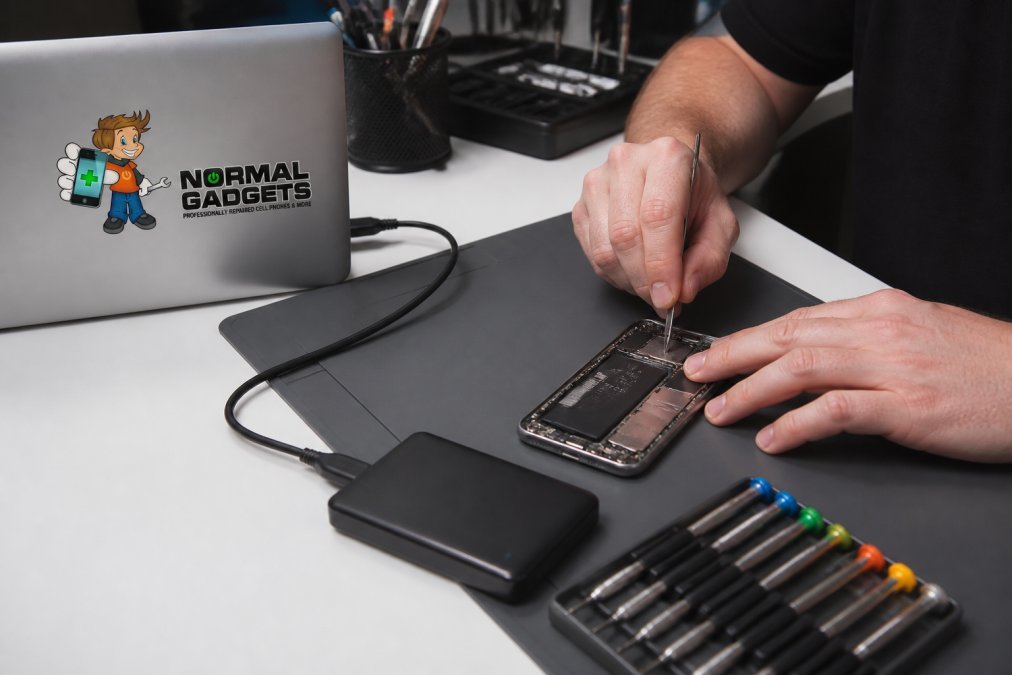
Tier 1: Simple Replacements are the fastest. Screen replacements, battery swaps, and basic port cleaning typically take 1-4 hours. A certified technician can complete a smartphone screen replacement in under two hours once the device arrives.
Tier 2: Component-Level Diagnosis and Repair sits in the middle, requiring 4-24 hours. When a device has a hardware failure like a damaged charging port needing microsoldering, the technician must run diagnostic testing to pinpoint the issue before repair begins. This tier demands technical expertise and specialized equipment.
Tier 3: Complex Board-Level Repairs are the slowest, taking 2-7 days. Motherboard repairs, microsoldering work, and multi-component failures require advanced expertise, specialized tools like microscopes and soldering stations, and sometimes waiting for parts. Not every repair shop offers this service.
Parts Availability and Intake Process
A professional shop should perform a visual diagnostic during intake, taking 15-30 minutes. This reveals what parts are needed and whether they’re in stock. If the required part is available, repair begins immediately. If the part must be ordered, turnaround extends by 1-3 days depending on supplier availability. Shops maintaining diverse parts inventory can promise faster turnaround times than those ordering on demand.
Average Electronics Repair Turnaround Time Benchmarks
Real-world turnaround times vary by repair type and shop capacity.
Same-Day Service Capabilities
Same-day service is possible for Tier 1 repairs when the required part is in stock and the shop isn’t overwhelmed. Screen replacements on smartphones typically complete within 2-4 hours; battery replacements follow a similar timeline. Port cleaning can be done in 1-2 hours.
Normal Gadgets offers expedited service options that prioritize your device through the workflow, accelerating turnaround on eligible repairs depending on current shop capacity.
Standard vs. Expedited Repair Workflows
Standard repair workflow processes devices in order of arrival. For a shop managing 30-50 devices per day, standard turnaround for Tier 1 repairs typically runs 6-24 hours; for Tier 2 repairs, 24-48 hours is common.
Expedited workflows prioritize specific devices by moving them to the front of the queue or assigning a dedicated technician. This eliminates queue wait time but cannot speed up the actual repair process itself. Cost differences vary by shop, with some charging flat expedited fees and others adjusting based on repair complexity.
How to Choose a Certified Device Repair Shop
Choosing the right repair provider determines whether you get your device back in 48 hours or 2 weeks.
Certification Standards That Matter
WISE Certification is the most widely recognized standard for wireless device repair technicians, indicating demonstrated knowledge of repair procedures, safety protocols, and device-specific techniques.
Apple Certified and Samsung Independent Repair Provider status are equally important for those manufacturers. These certifications mean the shop has met manufacturer standards for parts sourcing, repair procedures, and technician training.
Level 3 Mobile Device Certification represents advanced technical capability for complex repairs including motherboard work and microsoldering. Verify certifications directly with the shop and ask how long technicians have held these credentials.
Evaluating Diagnostic Testing and Quality Control
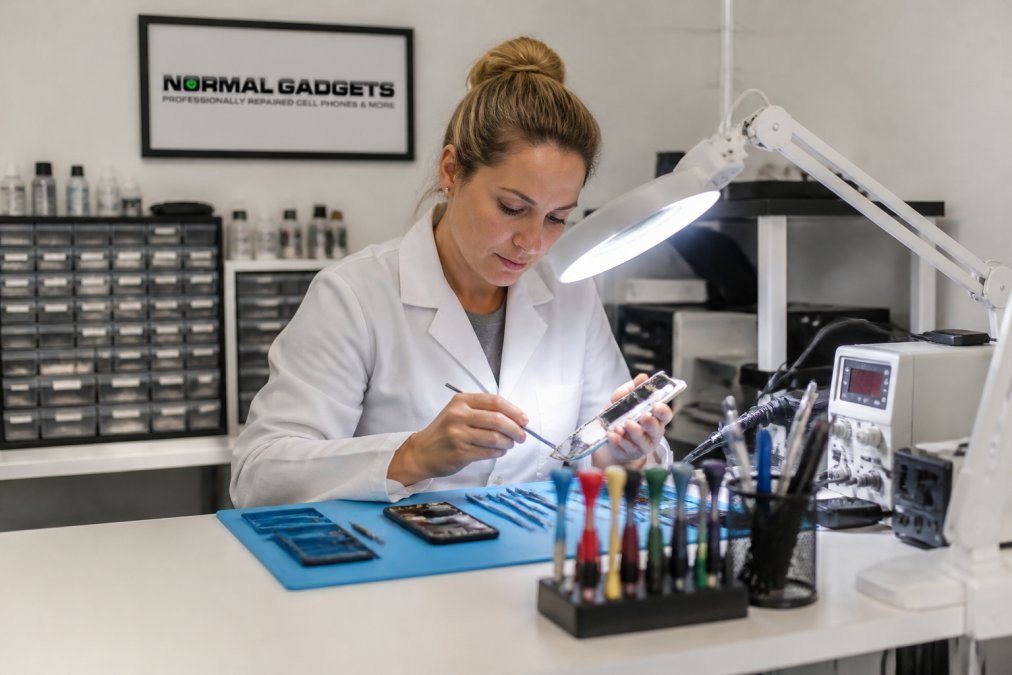
A proper diagnostic should include visual inspection, power-on testing, component-level testing with specialized equipment, and documentation of findings (ifixit.com). This process takes 1-2 hours for complex issues.
Quality control after repair is equally important. The device should undergo testing to verify the repair solved the original problem. Ask potential shops about their diagnostic process, whether they use specialized testing equipment, if they provide written diagnostic reports, and whether they test the device after repair.
Data Privacy During Professional Device Restoration
Handing your device to a repair shop means someone else has access to your data. For those with work devices or sensitive information, this raises legitimate privacy concerns.
What Happens to Your Data During Rapid Repairs
During a screen replacement or battery swap, the technician doesn’t need to access your data. However, if repair requires diagnostic testing or troubleshooting, the technician may need to power on the device and run tests involving the operating system.
For complex repairs like motherboard work, the technician must access the device’s storage to diagnose the problem. A shop with a strict privacy policy should document that technician access is limited to what’s necessary for diagnosis and repair, with no data copied, viewed, or transferred without explicit permission.
Normal Gadgets maintains a strict privacy policy ensuring no unauthorized access to personal information.
Verifying Privacy Policies Before Service
Before handing over your device, ask the shop about their data privacy practices:
Book Consultation/Appointment →
- Do they require customers to unlock devices or provide passwords?
- Do they document what data access occurs during repair?
- Do they have a written privacy policy you can review?
- Are technicians trained on data privacy protocols?
- Do they use separate testing networks or isolated systems for diagnostics?
A shop that hesitates to answer these questions or lacks documented policies is a red flag.
Common Device Issues and Their Repair Speed
Different device problems carry different repair timelines.
Screen Replacement and Battery Swap Timelines
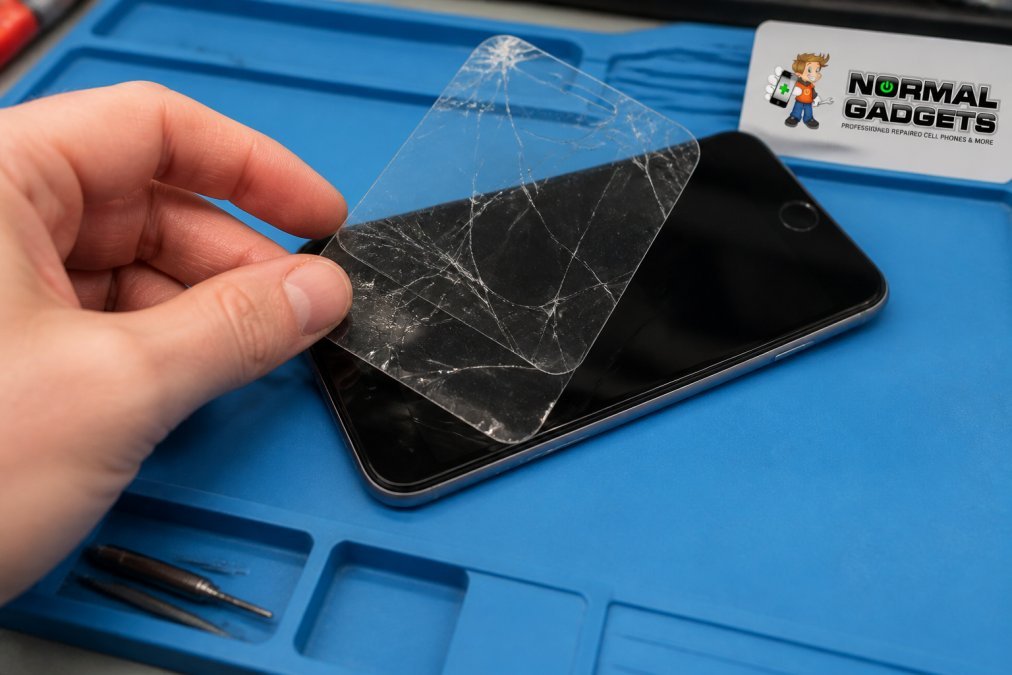
Screen replacement is one of the fastest repairs. For smartphones, a cracked screen can be replaced in 2-4 hours if the part is in stock. Battery replacement follows a similar timeline: 1-3 hours for smartphones, 2-4 hours for laptops, depending on device design.
Both repairs fall into Tier 1, making them ideal for same-day or expedited service. If a shop quotes more than 8 hours for a screen replacement, they’re either backlogged or inefficient.
Port Cleaning and Component-Level Diagnosis
Port cleaning, removing lint and debris from charging ports, typically takes 1-2 hours. Component-level diagnosis is more complex. If your device won’t charge or power on, the technician must test individual components to identify the failure, taking 4-8 hours depending on complexity. Once identified, the actual repair adds additional time.
A charging port needing microsoldering repair might take 8-24 hours total: 4-6 hours for diagnosis, 2-4 hours for repair work, and additional time for testing.
How to Reduce Repair Downtime and Prepare Your Device
Your actions before and after service directly impact repair speed and smoothness.
Backup and Intake Procedures
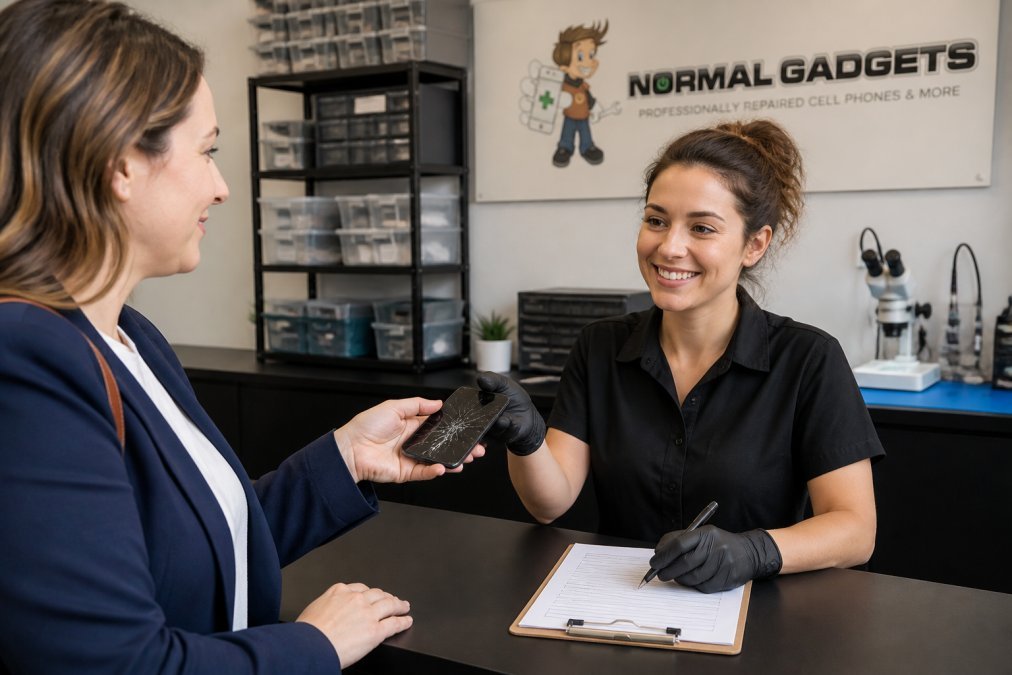
Before bringing your device in, back up your data if the device is still functional. This protects your information and gives the technician freedom to perform diagnostic testing. During intake, provide clear documentation of the problem. Describe what happened and what symptoms you’re seeing rather than vague descriptions.
Ask about the diagnostic process and expected timeline during intake. A professional shop will give you a realistic estimate based on repair type and current workload.
Walk-In vs. Mail-In Service Speed Differences
Walk-in service at a local shop typically offers faster turnaround than mail-in service because there’s no shipping delay (bbb.org). A walk-in repair can start within hours; mail-in service loses 1-3 days to shipping each direction. For a simple screen replacement, walk-in service might mean 4 hours total; mail-in service means 5-7 days.
Walk-in service also allows in-person discussion and immediate answers. Mail-in service requires communication via phone or email, which can slow the process if questions arise. However, mail-in service offers convenience if you lack a local certified provider. Choose a mail-in service that provides clear tracking, transparent communication, and guaranteed turnaround times.
Professional Restoration vs. DIY: Why Speed Matters
Attempting to repair your own device might seem like a way to avoid shop delays, but DIY repairs often create problems that extend total downtime.
A DIY screen replacement might take 4-6 hours if you’ve never done it before, require purchasing specialized tools, and risk damaging other components during disassembly (ifixit.com). If something goes wrong, you then need professional repair anyway, now addressing both the original problem and damage from your attempt.
Professional repair shops complete the same screen replacement in 2-4 hours with proper tools, training, and quality control. For complex repairs like motherboard work or microsoldering, DIY is essentially impossible without specialized equipment costing thousands of dollars and years of training.
Professional restoration from the start is faster and more cost-effective than DIY followed by professional repair.
Choosing a certified repair provider like Normal Gadgets gives you more than fast turnaround, you get technicians trained to complete repairs correctly the first time, protecting your device and data. With over 125,000 repairs completed and WISE Certified technicians on staff, Normal Gadgets delivers the expertise and speed that minimize your downtime. Book a consultation to get a free visual diagnostic and a realistic turnaround estimate for your specific device.
Frequently Asked Questions
Q: What factors determine whether a quick turnaround device repair takes 2 hours versus 2 days?
A: Repair complexity is the primary factor. Screen replacements and battery swaps typically complete in 2-4 hours because parts are in stock and the procedure is straightforward. Water damage, motherboard repairs, and component-level diagnosis require comprehensive testing and may take 24-48 hours. Parts availability matters too, if a component must be ordered, service extends beyond the standard window. Intake process speed also affects turnaround: walk-in diagnostics begin immediately, while mail-in services add 1-2 days for shipping.
Q: How do I verify that a certified device repair shop actually protects my data privacy during professional device restoration?
A: Ask about their written privacy policy before service. Certified shops should clearly state whether technicians access your data, what security measures protect files during repair, and how devices are handled post-repair. Request confirmation that diagnostic testing doesn’t require unlocking your device or accessing personal files. Check for certifications like WISE (Wireless Industry Service Excellence), which includes privacy standards. Read customer reviews specifically mentioning data security. A reputable shop will provide this information upfront and offer a service agreement outlining data handling procedures.
Q: What is considered a standard repair turnaround time for electronics, and how does it compare to expedited service?
A: Standard turnaround for most device repairs ranges from 24-48 hours, assuming parts are in stock and no complications arise. This allows technicians to complete diagnostic testing, order any needed components, perform the repair, run quality control checks, and prepare your device for return. Expedited service compresses this timeline to 2-24 hours by prioritizing your device in the workflow and fast-tracking diagnostics. Expedited options typically cost extra and may not be available for complex repairs requiring parts orders or extensive troubleshooting. Same-day service is possible for simple fixes like screen replacement or battery swap when parts are immediately available.
Q: Are same-day electronics repairs reliable, or do they sacrifice quality for speed?
A: Same-day repairs are reliable when performed by certified technicians on straightforward issues like cracked screens or battery replacements. The speed doesn’t compromise quality because these procedures follow standard operating procedures that don’t change regardless of timeline. However, same-day service reliability depends on parts availability, if the component isn’t in stock, the repair extends beyond same-day. Complex repairs involving motherboard work, microsoldering, or extensive diagnostic testing should not be rushed; attempting them same-day without proper testing risks incomplete restoration. A quality repair shop will be honest about which issues can safely complete same-day and which require full turnaround time for proper device restoration.
Q: What should I look for when choosing a certified device repair shop to ensure fast and reliable service?
A: Verify certifications from recognized bodies like WISE (Wireless Industry Service Excellence), Apple Certified Service Provider, or Samsung Independent Repair Provider status. Check how many devices the shop has repaired, experience signals competence and efficiency. Ask about their average turnaround times and whether they offer expedited service. Confirm they perform component-level diagnosis rather than replacing entire boards unnecessarily, which saves time and cost. Read reviews specifically mentioning speed and quality. Ensure they provide warranty on parts and labor, typically 30 days minimum. Finally, confirm their privacy policy and whether they offer a free visual diagnostic to assess complexity before committing to service.